The topic of “The EU has imposed anti-dumping measures on Brazilian plywood” takes centre-stage in the intersection of trade policy, timber markets and international competition. The European Union (EU) has launched and progressed an investigation into softwood plywood imports from Brazil, leading to formal registration of imports and the proposed imposition of provisional duties. These steps are intended to protect the EU plywood industry from unfair competition. This article will unpack what’s at stake, why it matters, and what the implications are for all players involved.
Background and Context of the Measures
What is anti-dumping?
Anti-dumping measures are trade-defence instruments used by countries or trade blocs (like the EU) when they believe imports from a non-member country are being sold at artificially low prices (“dumped”) and that such dumping is causing injury to the domestic industry. The idea is to restore fair competition by imposing duties or other measures.
Why focus on Brazilian plywood?
In this case, the EU’s attention turned to plywood from Brazil because of complaints from the EU domestic industry that Brazilian producers were rapidly increasing exports of softwood plywood to Europe, allegedly selling at prices below normal value, thereby harming the EU producers.
The clause is thus not generic—specific to softwood plywood from Brazil under the CN code 4412 39 00 (more on that next).
Scope and Product Definition
The product under scrutiny
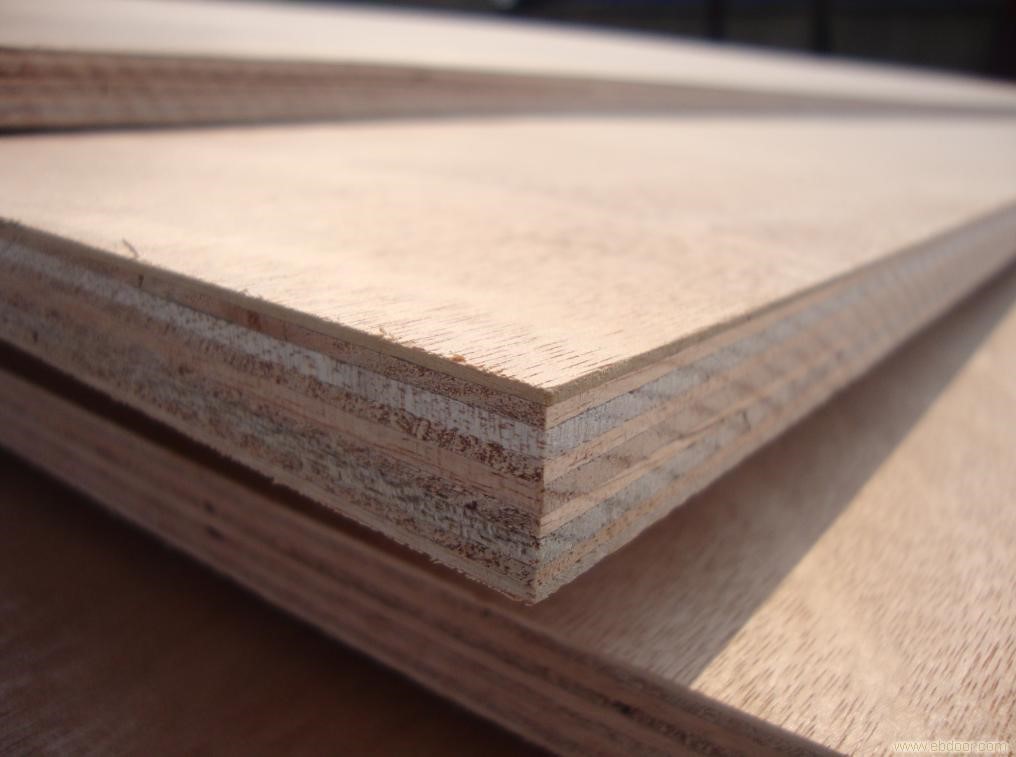
The investigation concerns “plywood consisting solely of sheets of wood (other than bamboo), each ply not exceeding 6 mm thickness, with both outer plies of coniferous (softwood) wood, whether or not coated or surface-covered.”
CN code 4412 39 00
The product is currently classified under CN code 4412 39 00 for statistical and tariff purposes. The classification is for information only and may change.
Softwood plywood vs other types
Softwood plywood refers to plywood with outer layers of coniferous wood. It’s distinguished from hardwood plywood, bamboo plywood, panel-board types, etc. The focus here is narrow, since these are the products complained about by the EU industry.
Timeline of the EU Investigation
- On 20 January 2025 the Softwood Plywood Consortium (SPC) lodged a complaint on behalf of EU producers.
- On 6 March 2025 the European Commission officially initiated the anti-dumping proceedings.
- On 20 May 2025, the Commission adopted a regulation making imports of the defined plywood subject to registration at EU borders, enabling retroactive duties if dumping is confirmed.
- On 7 October 2025, provisional duties of 6.2% were proposed on Brazilian softwood plywood imports.
These steps illustrate the methodical progression from complaint → investigation → provisional measures.
Key Legal Framework
The legal basis for the investigation and measures is primarily Regulation (EU) 2016/1036 on protection against dumped imports. The regulation sets out definitions of dumping, injury, causation, the role of the Union interest, and procedures for investigations and adoption of measures.
Key articles include:
- Article 5: Complaint and initiation of investigation
- Article 14: Registration of imports during investigation
- Article 9: Imposition of provisional duties
- Article 10-11: Definitive duties and review mechanisms
It’s essential to understand that anti-dumping duties are not automatic—they require proven dumping, injury, causation, and then a decision that measures are in the Union’s interest.
The Findings: Dumping and Injury
Evidence of increased Brazilian imports
The complaint by the SPC alleges that imports of Brazilian softwood plywood increased significantly in volume and market share, thereby putting downward pressure on EU producers.
Price dumping allegations
Allegations include that Brazilian producers are selling plywood in the EU at prices below those in their domestic Brazilian market (i.e., selling below normal value), thereby constituting dumping.
Injury to EU industry
The EU industry claims that these imports have harmed them in terms of lost sales, reduced price levels, negative margin impacts and reduced profitability. The registration measure itself suggests the Commission found prima facie grounds for injury.
The Measures Taken
Import registration
As of mid-2025, imports of the specified Brazilian softwood plywood product are subject to registration at EU borders. This allows the Commission to collect data and potentially apply retrospective duties if dumping is confirmed.
Provisional duty of 6.2%
The Commission proposed provisional anti-dumping duties of 6.2% on Brazilian softwood plywood imports (CIF Union border price, customs duty unpaid) following the investigation.
Potential for definitive duties
If the investigation concludes dumping and injury, the Commission may impose definitive duties higher than the provisional rate, or adjust the scope/players impacted. Importers and exporters await the final determination.
Impacts on Brazilian Exporters
- Increased cost base: Exporters to the EU may face higher duties, making their products less competitive.
- Market diversion: Brazilian producers may divert supply to other markets (non-EU) or focus on domestic/third-party markets.
- Trade tensions: Imposition of duties can fuel bilateral trade tensions between Brazil and the EU, possibly leading to retaliation or WTO challenges.
Impacts on EU Domestic Industry
- Protection of producers: EU plywood manufacturers may benefit from reduced price pressure and unfair competition.
- Supply chain effects: Construction, furniture and manufacturing sectors that rely on plywood imports may face higher input costs or reduced choices.
- Consumer impact: If import costs rise, this may translate into higher prices in downstream goods or projects.
Wider Trade & Strategic Implications
The measure reflects the EU’s active use of trade-defence instruments to protect strategic sectors and industrial supply chains. It also signals to third-country exporters the risk of dumping allegations.
For Brazil, which is a major global exporter of wood products, this adds pressure to demonstrate compliance with fair pricing practices and possibly adjust their export strategy.
Globally, the plywood market may see shifting flows, with Brazil looking to new destinations and other suppliers investigating opportunities. Investors, importers, and policy makers should watch these dynamics closely.
Stakeholder Perspectives
- EU Industry / SPC: The consortium welcomes the investigation as a necessary step to level the playing field.
- Brazilian Exporters: May argue the measures are protectionist, risking trade diversion and increased export costs.
- Importers & Consumers in EU: Concerned about supply reliability and cost increases, especially for sectors dependent on affordable plywood.
What Comes Next?
Key Takeaways and Lessons
Final determination timeline
The definitive investigation will typically conclude within 12-14 months of initiation, unless extended.
Possible scenarios
- Definitive duties may exceed 6.2%
- Measures might be extended to more exporters or modified in scope
- Brazil could challenge the measures at the World Trade Organization (WTO) if it believes rules were breached
Strategic options
- Brazilian exporters may diversify markets and adjust pricing
- EU importers may seek alternative suppliers or pass on costs
- Policy makers may adjust to ensure competitiveness and supply stability
FAQs (Frequently Asked Questions)
Q1: What products exactly are covered by “The EU has imposed anti-dumping measures on Brazilian plywood”?
A1: The products are softwood plywood originating in Brazil, defined as plywood made solely of wood sheets (not bamboo), each ply ≤ 6 mm thick, with both outer plies of coniferous (softwood) wood, classified under CN code 4412 39 00.
Q2: What is the current status of the investigation?
A2: As of late 2025, the EU has initiated the investigation, required import registration, and proposed provisional duties of 6.2%. The definitive decision is still pending.
Q3: Why is the EU imposing these measures on Brazilian plywood?
A3: The EU industry (via SPC) alleges that Brazilian plywood has been dumped (sold at unfairly low prices) and that this dumping caused injury to the EU softwood plywood sector. The investigation is designed to verify these claims.
Q4: What implications for Brazilian exporters?
A4: They may face higher costs and reduced competitiveness in the EU market if duties are imposed. They may need to adjust strategy or seek new markets.
Q5: Will this raise prices for plywood in the EU?
A5: Potentially yes — if import duties raise costs, those may pass through to importers, manufacturers, and ultimately consumers. However, the measure might also preserve the viability of EU producers and supply stability.
Q6: Can Brazil challenge this measure?
A6: Yes — Brazil might challenge the legality of measures under WTO rules if it believes procedures were unfair or evidence insufficient.
Final Thoughts on “The EU Has Imposed Anti-Dumping Measures on Brazilian Plywood”
In sum, the EU has imposed anti-dumping measures on Brazilian plywood is both a specific event and a marker of broader trade-defence dynamics. The investigation and prospective duties reflect the EU’s commitment to defending its industries from unfair trade practices. For Brazilian exporters, this means heightened risk in the European market; for EU stakeholders, it means vigilance and adaptation. As global trade remains volatile, monitoring developments in this case will be essential for timber, construction and manufacturing sectors alike.