

Introduction: China Wood-Based Panel Industry at a Turning Point
In 2025, China wood-based panel industry stands at a pivotal moment. As the country transitions from the “14th Five-Year Plan” to the “15th Five-Year Plan” the focus has shifted from volume expansion to quality, innovation, and sustainability.
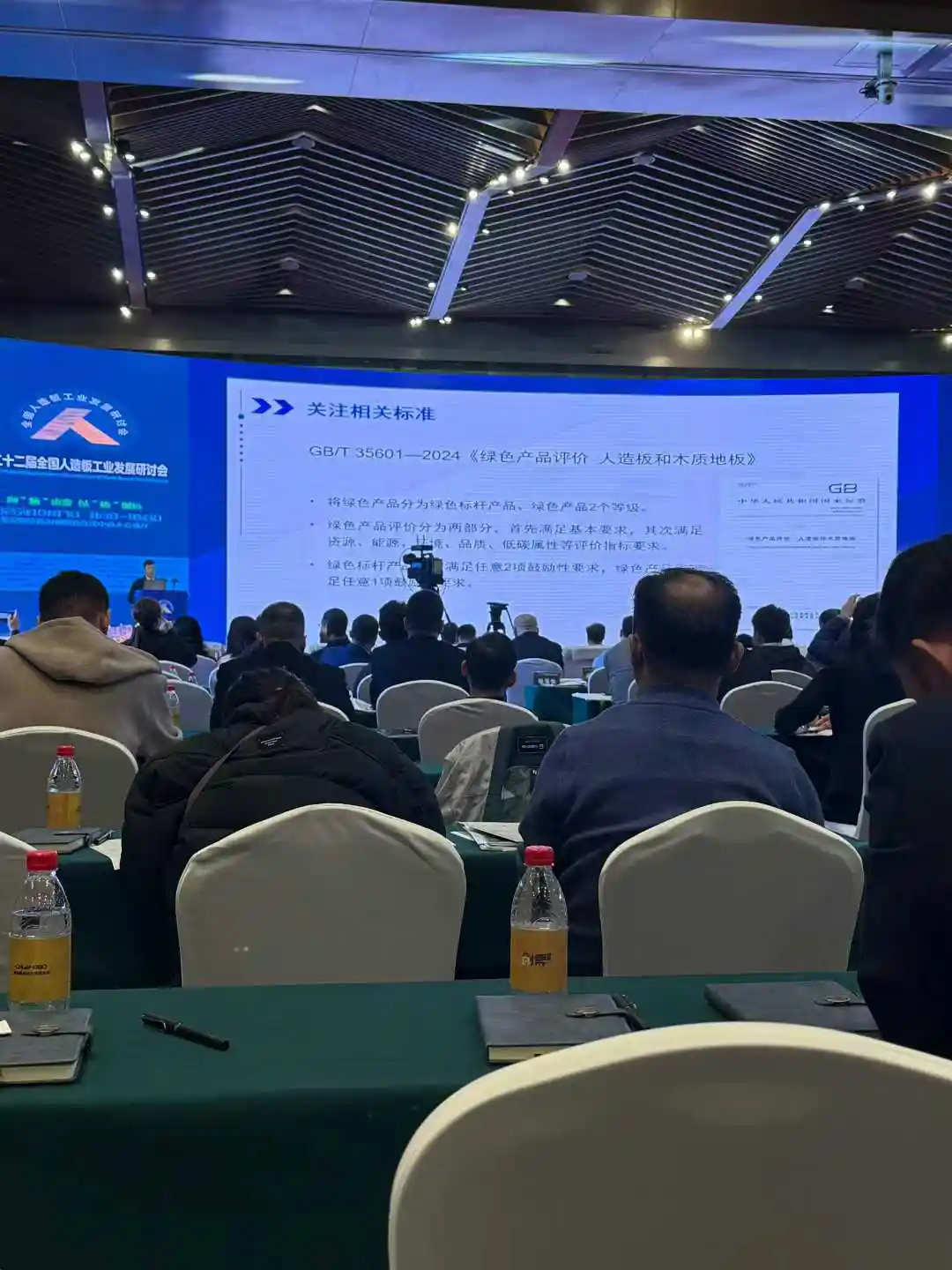
At the 22nd National Symposium on Wood-Based Panel Development, experts and policymakers emphasized the theme “Seeking Change Through Innovation and Pursuing Long-Term Quality“. Their discussions reflected both the challenges and opportunities facing this globally significant industry.
Market Overview: Scale, Growth, and Global Leadership
Production Volume and Economic Contribution in 2024
China’s wood-based panel output reached 349.17 million m³ in 2024, up 3.9 percent year-on-year, with an industrial output value of RMB 785 billion – a 2.7 percent rise. For the past decade, growth has averaged 3 percent annually (Global Wood, 2025).
Export Strength and International Demand
China remains the world’s largest producer, consumer, and exporter of wood-based panels, furniture, flooring, and related products (Fordaq, 2025).
Its broad product range—plywood, MDF, particleboard, and decorative panels—serves clients across Asia, Europe, and North America.
For importers, this leadership ensures stable supply, competitive prices, and reliable quality control, making China a cornerstone of the global panel trade.
New Opportunities under the “15th Five-Year Plan”
The new plan emphasizes innovation, digital transformation, and green development.
Government support now aligns closely with the Dual Carbon Strategy and the circular-economy model, which are expected to stimulate demand for low-emission building materials (Focus Mach, 2025).
Policy Support and Strategic Industrial Upgrading
Policy frameworks encourage companies to integrate carbon-saving technologies and to modernize production facilities with digital monitoring and waste-recycling systems.
Circular Economy and Resource Efficiency
By maximizing the use of fast-growing plantation wood, imported timber, and agricultural residues, the sector helps reduce deforestation and supports China’s 2060 carbon-neutrality target.
Current Challenges and the “Involution” Dilemma
Despite strong fundamentals, the industry faces price competition and overcapacity, particularly in particleboard and MDF.
Analysts from Fordaq note that short-term over-investment has led to temporary oversupply, pressuring margins.
Leading experts recommend quality differentiation and innovation-driven strategies to escape low-end competition.
For global buyers, this shift ensures greater product diversity and sustainable sourcing.
Pathways to Transformation: Innovation and Technology
China’s leading manufacturers are investing in AI-driven production, robotic automation, and real-time quality monitoring.
According to Grand View Research, the domestic market is expected to maintain steady growth through 2030 as digital transformation boosts efficiency and consistency.
New product categories—such as formaldehyde-free and bamboo-fiber panels—address rising global demand for eco-friendly materials.
Regional Strengths: Success Stories from Leading Provinces
Guangxi: From Timber Base to Manufacturing Powerhouse
Guangxi now contributes over 20 percent of China’s total panel production (Focus Mach, 2025).
Policy innovation and integration of forestry resources have helped the region evolve from raw-wood supply to high-value manufacturing.
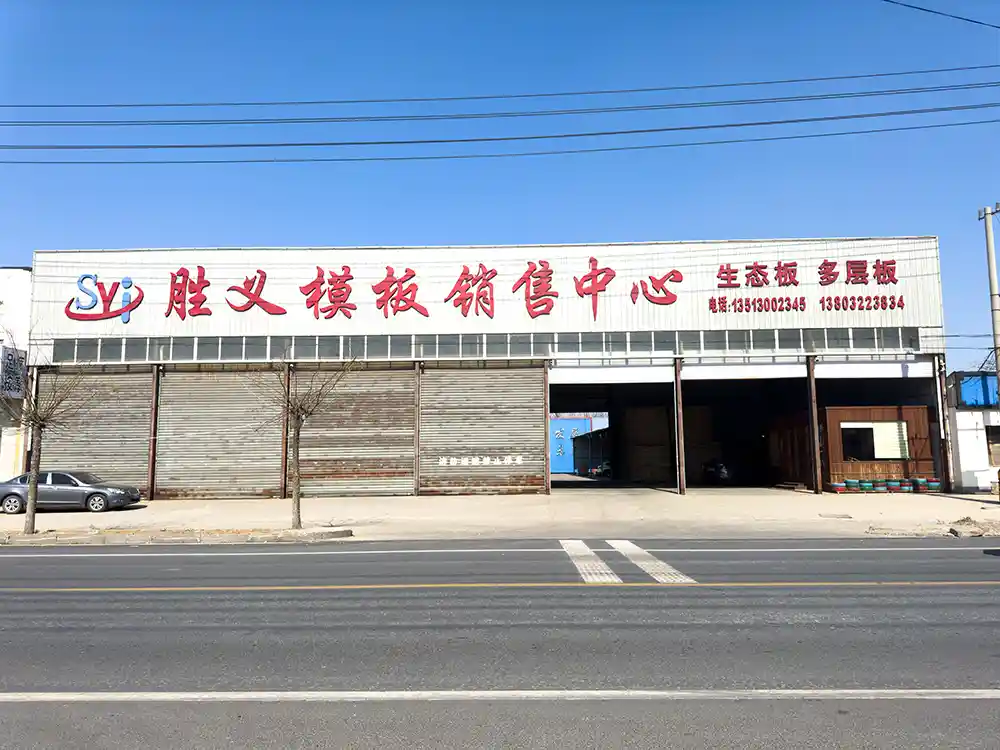
Hebei: From Quantity to Quality
Hebei’s transformation story—driven by technological upgrading and cluster integration—illustrates how local industries can achieve sustainable growth while enhancing export competitiveness.
The Future Is Green: Sustainability and Carbon Neutrality Goals
Sustainability is now a market imperative.
China’s producers are aligning with international green-building standards and implementing eco-certification systems such as FSC and CARB for export compliance.
The rise of green industrialization and customized interior solutions also supports China’s “Good Housing” initiative, creating new demand for high-performance panels in residential and commercial spaces.
Cooperation and Innovation: Building a Global Value Chain
China’s wood-based panel enterprises are fostering international partnerships through joint R&D, technology licensing, and green-certification collaboration.
These alliances enable overseas buyers to access consistent supply, transparent quality standards, and cost-efficient logistics.
Technology-Driven Growth: New Productivity in Wood-Based Panels
The China National Forestry Industry Association (CNFIA) has already certified over 250 technologies and 200 new products that promote low-carbon, smart production.
By embracing digitalization and sustainability, the industry continues to redefine the global perception of “Made in China” quality.
Investment Insights for Global Buyers
Why China Remains the Most Competitive Source
- Efficient large-scale production networks
- Government-supported green manufacturing policies
- Strong export logistics and trade facilitation
- Stable and diversified supplier ecosystem
Key Trends to Watch in 2025
- Surge in eco-certified product exports
- Growth in custom and modular interior paneling
- Rapid adoption of digital production monitoring
- Stronger emphasis on brand reputation and ESG compliance
FAQs: China’s Wood-Based Panel Industry
Q1: What types of wood-based panels does China mainly export?
China exports plywood, MDF, particleboard, OSB, decorative panels, and bamboo-based boards.
Q2: How is China addressing environmental concerns in production?
Through strict emissions standards, renewable raw materials, and investment in low-formaldehyde adhesives.
Q3: Are Chinese panels compliant with international quality standards?
Yes. Most exporters hold CARB, EPA, FSC, and CE certifications ensuring global compliance.
Q4: What’s driving innovation in the industry?
Digitalization, smart manufacturing, and research on sustainable materials.
Q5: Which provinces are leading wood-based panel production?
Guangxi, Shandong, Hebei, and Jiangsu are the top producers.
Q6: How can global buyers build partnerships with Chinese manufacturers?
Through trade fairs, B2B platforms, or direct sourcing from certified factories under CNFIA or Alibaba verified suppliers.
Conclusion: Embracing Change, Partnering for the Future
The China wood-based panel industry is no longer just a mass-production powerhouse — it’s becoming a global leader in quality, innovation, and sustainability.
For international buyers, 2025 marks an ideal moment to deepen partnerships, explore eco-friendly solutions, and capitalize on China’s technological leap and green transformation.
🌍 The future of the global wood-based panel trade lies in collaboration — and China stands ready to lead the way.
Recent Comments