

What is Formwork(Shuttering)?
Formwork, also known as shuttering, is a temporary mold used in concrete construction to shape and support the concrete while it cures. It essentially provides the desired shape for the concrete structure, preventing leaks, cracks, and uneven surfaces.
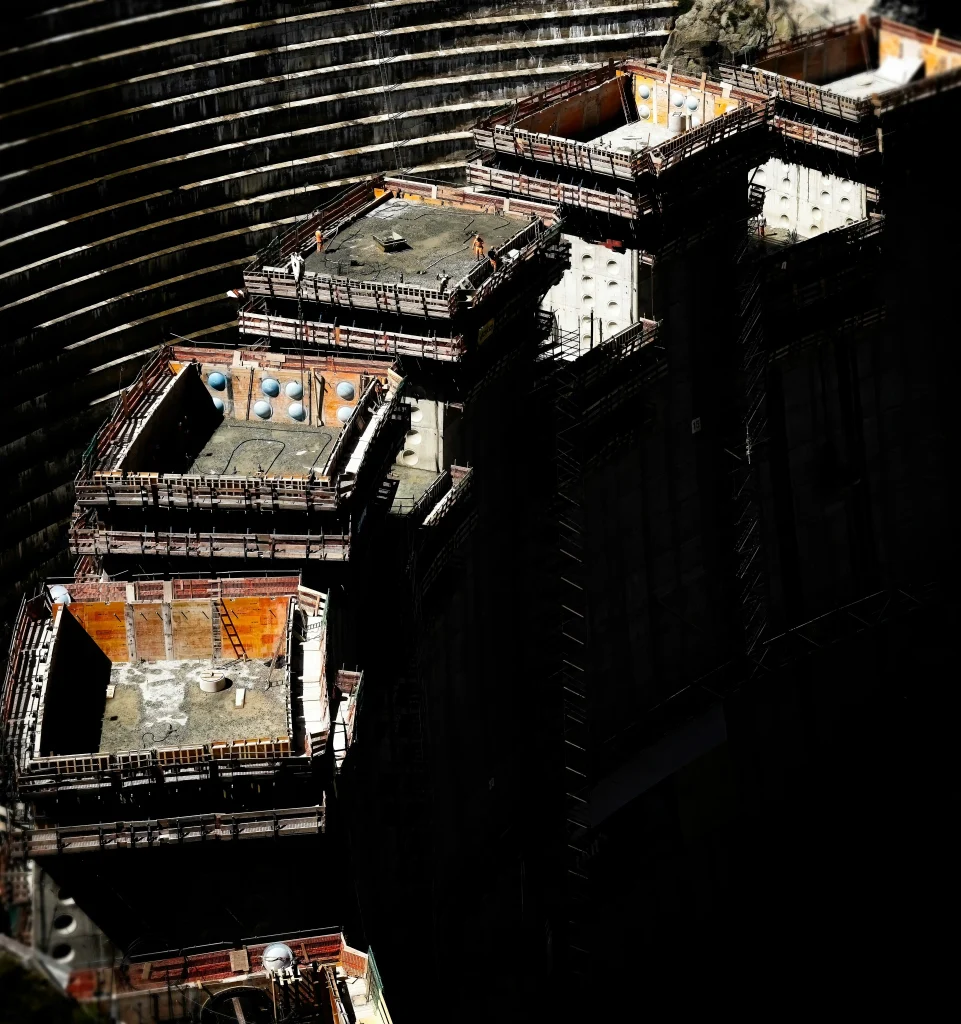
The formwork process begins well in advance of concrete pouring. A detailed plan, often derived from blueprints, is crucial to determine the placement and type of formwork elements.
Formwork installation on large projects typically requires a significant workforce. Careful inspection and double-checking are essential to ensure proper installation and tight angles between formwork panels. This prevents concrete leakage and guarantees smooth, straight concrete surfaces. Once the concrete has cured, the formwork panels are removed (a process called “striking”) and cleaned for reuse in subsequent projects.
Common Formwork(Shuttering) Materials
Formwork materials commonly include timber, steel, plywood, aluminum, fabric, plastic, and insulation materials. To effectively support the concrete during casting and maintain its shape while it hardens, formwork must possess sufficient strength. Accurate surveying is crucial on-site to ensure proper placement and elevation of the formwork.
Main Types of Formwork Used in Construction
- Plywood Formwork
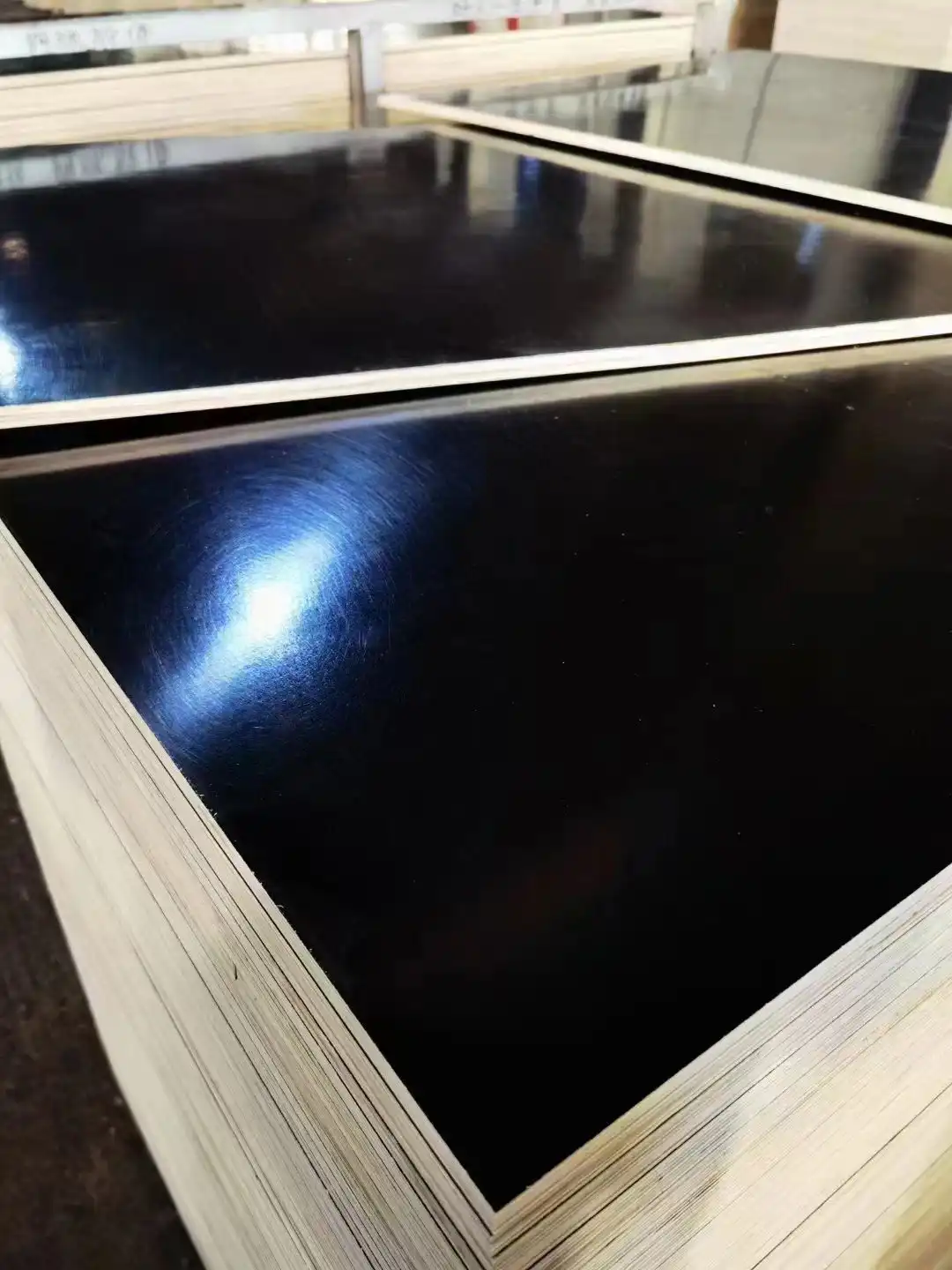
- High-density plywood with a smooth film on both sides.
- Commonly used for ceilings and supporting concrete.
- Made from multiple layers of core veneers compressed under high pressure and temperature.
- Steel Formwork
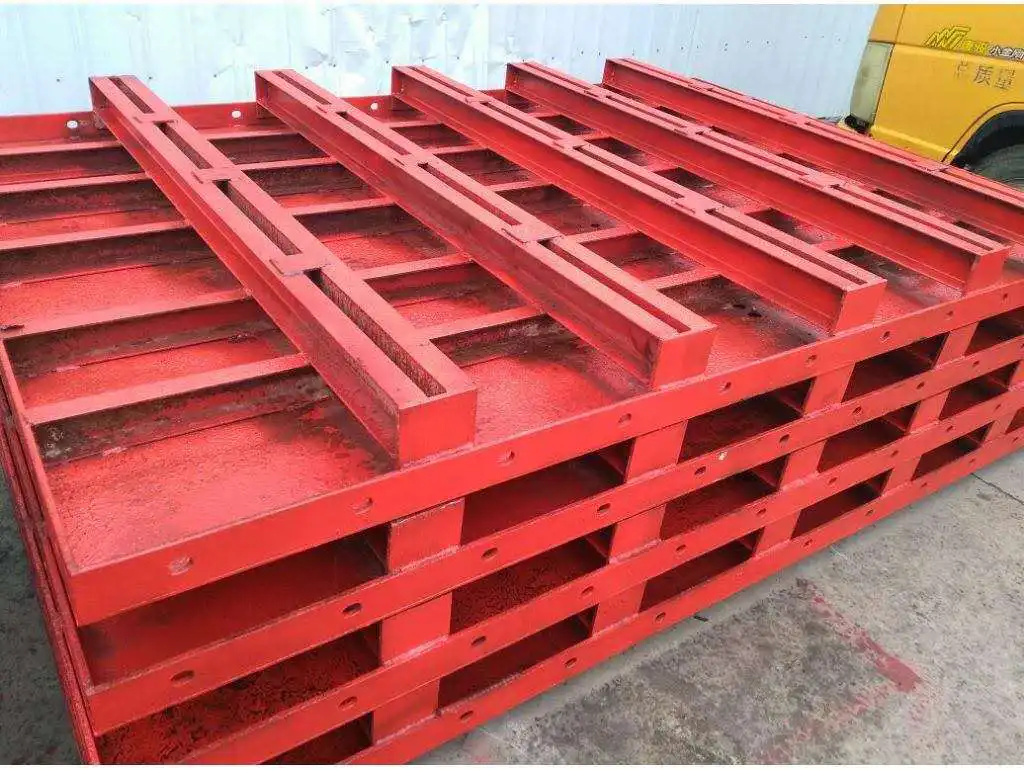
- Temporary construction elements made of steel.
- Ideal for its strength and resistance to bending or warping during concrete pouring.
- Can accommodate large volumes of concrete.
- Interlocking panels enhance stability.
- Requires heavy machinery for handling due to its weight.
- Plastic Formwork
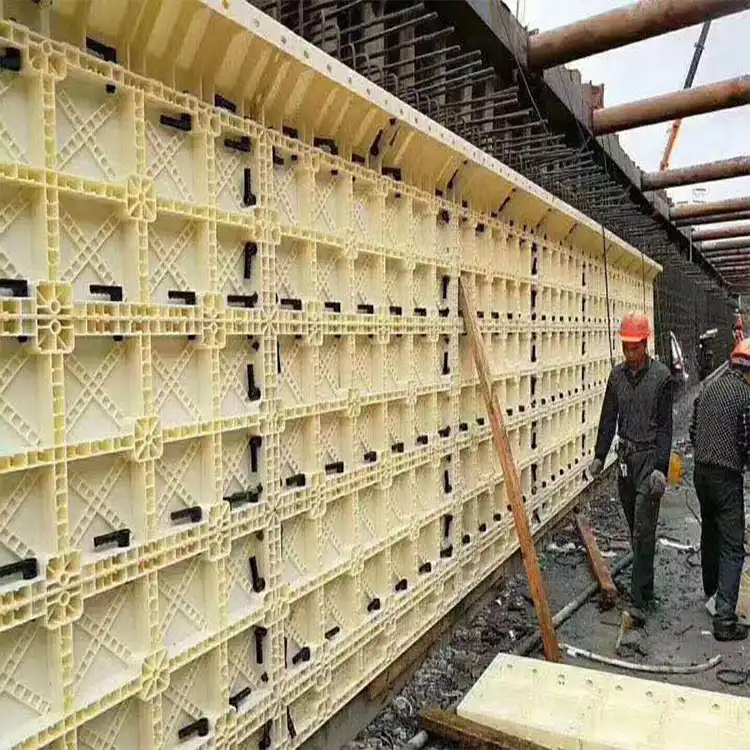
- Interlocking, lightweight structures that can be reused multiple times (over 100 times).
- Gaining popularity for repetitive designs and large housing projects.
- Offers several advantages: durability, affordability, and flexibility.
- Special-grade plastic prevents material adhesion and chemical reactions, ensuring a smooth concrete surface.
- Precise interlocking minimizes leakage.
- Easy to set up and relatively lightweight compared to other options.
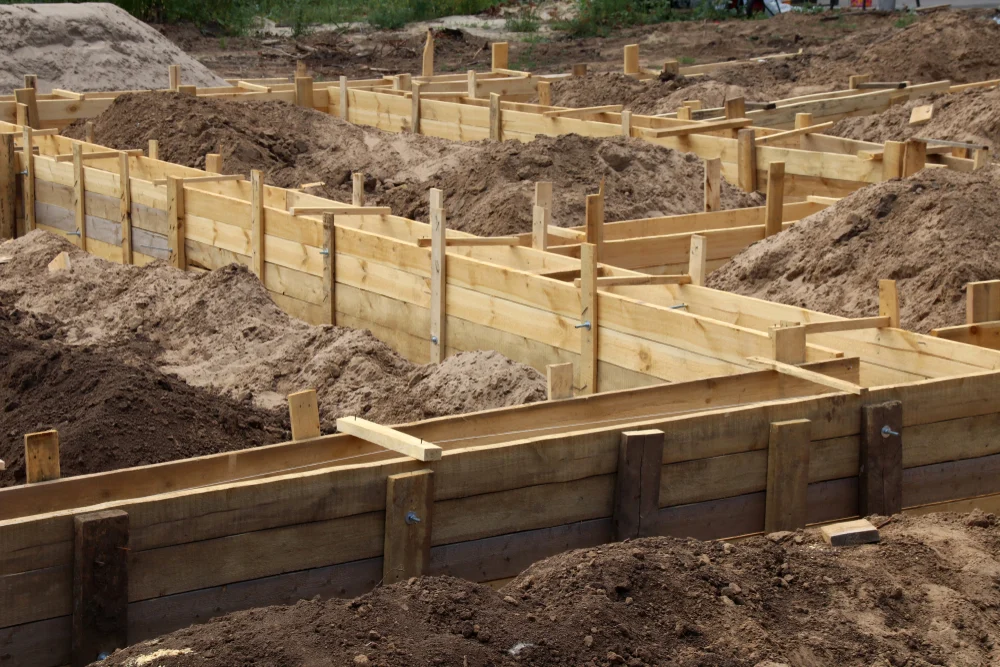
- Timber Formwork
- Cost-effective and readily available option.
- Traditionally constructed on-site using timber.
- Easy to construct but can be time-consuming for large projects.
- Well-suited for small-scale projects.
- Short lifespan but widely used where labor costs are lower than reusable formwork materials.
- Offers flexibility and can be used in conjunction with other formwork types in complex sections.
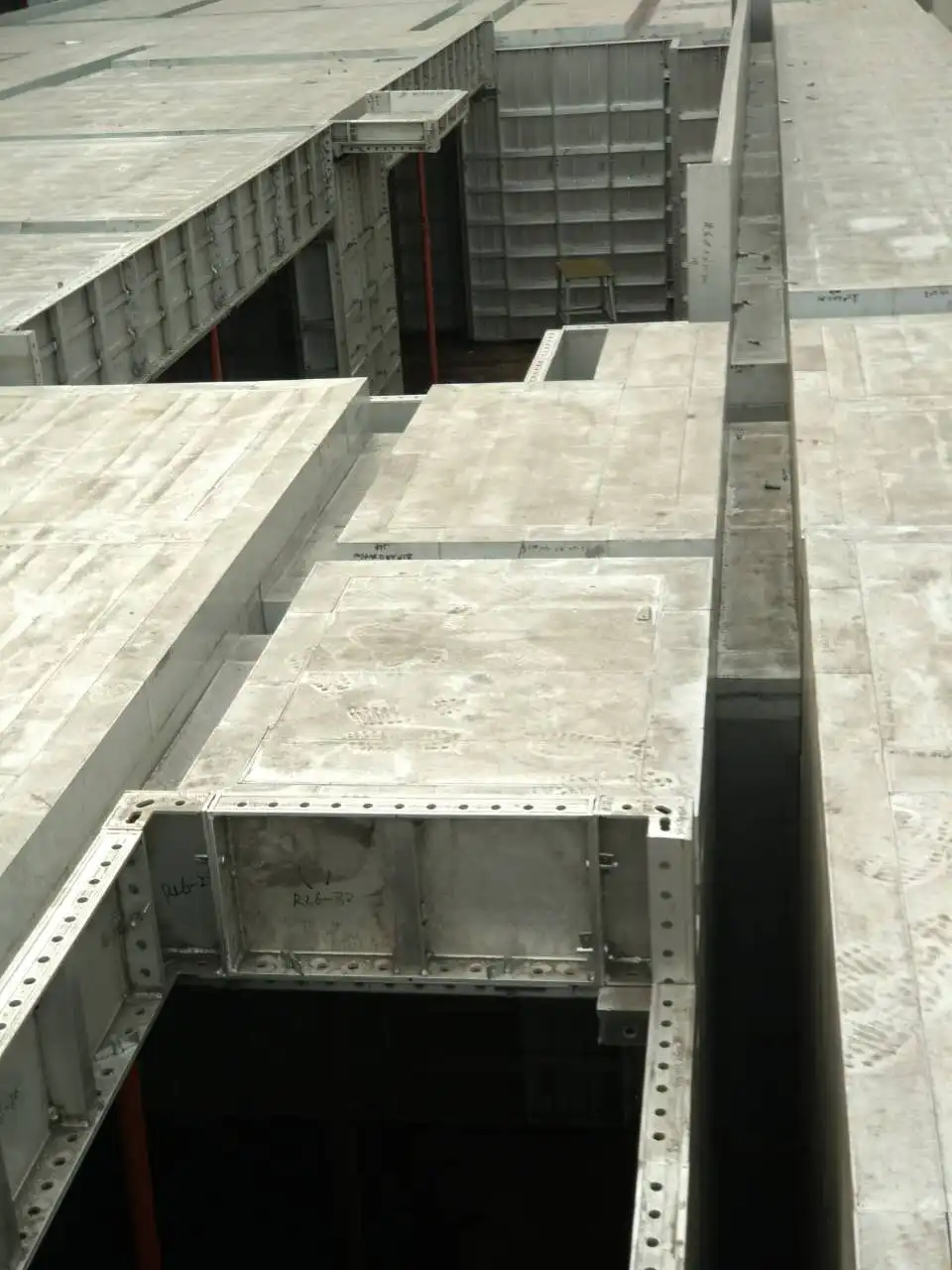
- Aluminium Formwork
- A versatile and cost-effective system for constructing cast-in-place concrete structures.
- Encompasses a comprehensive system for scheduling and controlling other construction activities.
- Provides precise shaping for all concrete elements, including walls, beams, columns, slabs, and decorative features.
- Fabric Formwork
- Utilizes high-strength, lightweight fabric sheets to conform to the flow of concrete and create unique architectural shapes.
- Requires less concrete than rigid systems, reducing costs.
- Suitable for irregular and complex designs.
- Can be used in both precast and cast-in-place applications.
- Offers innovative solutions and enhances creativity in concrete design.
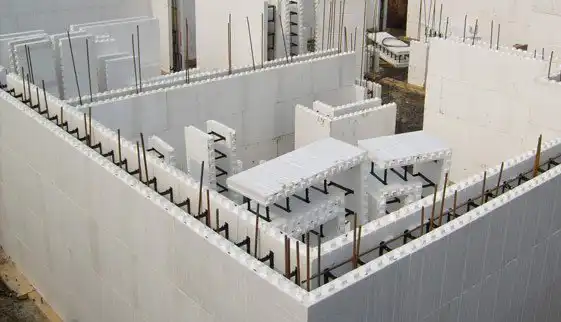
- Permanent Insulated Formwork
- Employs lightweight, insulated formwork that remains in place after concrete curing, providing insulation.
- Typically uses twin-walled expanded insulation panels to create a permanent mold for concrete walls.
- Provides both structural support and insulation.
- Creates a smooth surface suitable for direct application of finishes and coatings.
- Often includes integrated flooring systems.
- Stay in Place Formwork
- Designed to remain in place after concrete hardening, providing additional support.
- Often constructed from prefabricated, fiber-reinforced plastic forms.
- Commonly used in piers and columns.
- Offers corrosion resistance and protection against environmental damage.
Formwork, or shuttering, is a temporary mold used in concrete construction to shape and support the concrete while it cures. Common materials include timber, steel, plywood, aluminum, plastic, and fabric, each with unique properties and applications. The choice of formwork material depends on factors such as project size, complexity, budget, and desired concrete finish.