
Keywords: MDF, HDF, Medium Density Fiberboard, High Density Fiberboard, engineered wood, furniture, construction, differences, uses, density, strength, moisture resistance, price
In woodworking and construction, MDF (Medium Density Fiberboard) and HDF (High Density Fiberboard) are two common engineered wood products. Both are made from wood fibers and resin binders under high pressure and temperature, offering viable alternatives to solid wood. However, key differences exist between them, making them suitable for different applications. This article delves into the distinctions between MDF and HDF, their advantages and disadvantages, and their optimal uses.
What is MDF?
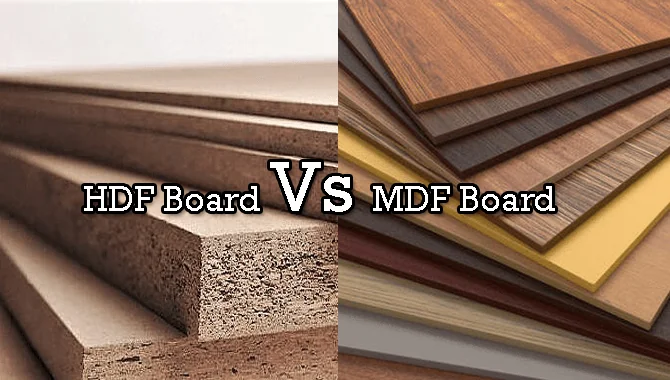
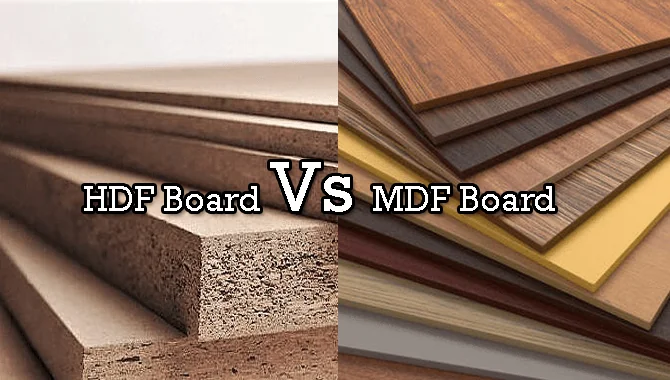
MDF is manufactured by combining wood fibers, wax, and resin, then pressing them under high heat and pressure. It boasts a smooth surface, ease of machining, and resistance to warping, making it popular for furniture, interior décor, and more.
What is HDF?
HDF follows a similar manufacturing process to MDF but uses a higher proportion of wood fibers and greater pressure, resulting in higher density and strength. HDF is often thinner and better suited for applications requiring high strength and stability, such as laminate flooring and door skins.
Key Differences Between MDF and HDF:
- Density: HDF has a significantly higher density than MDF, meaning it is heavier and harder.
- Strength: Due to its higher density, HDF exhibits superior bending strength, tensile strength, and impact resistance compared to MDF.
- Thickness: HDF is typically thinner than MDF, making it more suitable for applications requiring thin panels.
- Moisture Resistance: While neither is waterproof, HDF generally offers slightly better moisture resistance than MDF.
- Price: Due to higher production costs, HDF is usually more expensive than MDF.
Advantages and Disadvantages of MDF:
Advantages:
- Smooth, even surface, ideal for painting and laminating.
- Easy to cut, drill, and shape.
- Relatively low cost.
Disadvantages:
- Poor moisture resistance; prone to swelling when exposed to humidity.
- Lower load-bearing capacity than HDF.
Advantages and Disadvantages of HDF:
Advantages:
- High strength and stability.
- Good impact resistance.
- Better moisture resistance (compared to MDF).
Disadvantages:
- Higher cost.
- More difficult to machine into complex shapes.
Best Uses for MDF:
- Furniture manufacturing (e.g., cabinets, tables, chairs)
- Interior decoration (e.g., wall panels, ceiling panels)
- Speaker boxes
Best Uses for HDF:
- Laminate flooring
- Door skins
- Back panels for high-end furniture
Summary:
Both MDF and HDF are excellent engineered wood products with unique advantages and applications. The choice between them depends on specific project needs and budget. If high strength and stability are paramount, HDF is the better choice. If budget is a primary concern and high strength is not critical, MDF is a viable option.
Recent Comments