
Introduction
Plywood is one of the most versatile and widely used engineered wood products. It is made by gluing together thin layers of wood veneers, with each layer’s grain direction alternating to enhance strength and stability. This structure gives plywood superior mechanical properties compared to natural wood, making it an ideal choice for various applications in construction, furniture, and industrial uses.
1. Plywood Structure and Composition
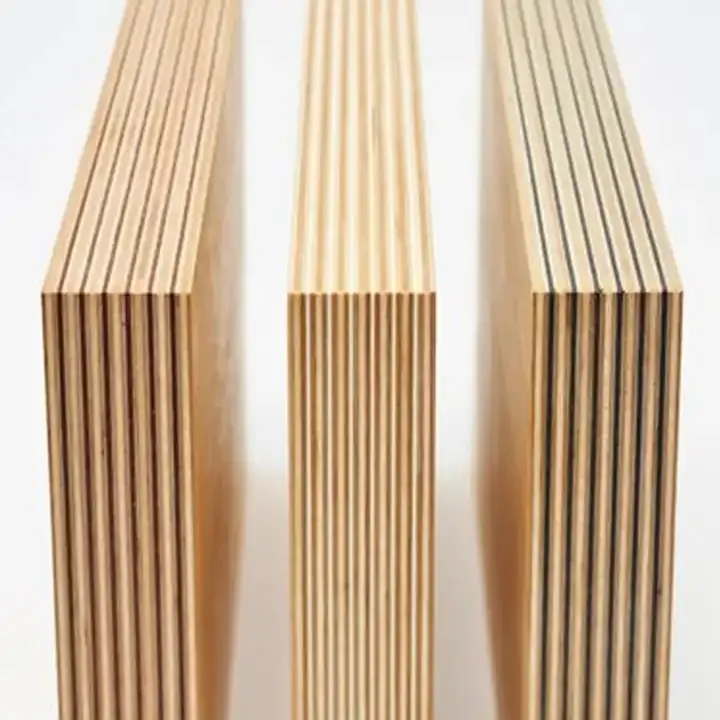
Plywood consists of multiple layers, known as plies or veneers, which are bonded using strong adhesives. These layers contribute to its unique characteristics:
1.1 Layers in Plywood
- Face Veneer: The topmost visible layer, providing an aesthetic finish.
- Core Veneer: The central layers, offering structural strength.
- Back Veneer: The bottom layer, which enhances balance and durability.
1.2 Types of Adhesives Used
- Phenol Formaldehyde: Used for exterior plywood due to its water resistance.
- Urea Formaldehyde: Commonly used for interior applications.
- Melamine-based Adhesives: Provide additional durability and moisture resistance.
1.3 Grain Direction and Cross-Laminated Structure
Plywood’s alternating grain direction enhances its strength and reduces expansion and shrinkage due to moisture. This cross-laminated design makes it less prone to warping and splitting compared to solid wood.
2. Key Characteristics of Plywood
2.1 Strength and Durability
Plywood’s layered structure distributes weight evenly, making it stronger than solid wood of the same thickness. It is resistant to impact and can bear heavy loads, making it suitable for flooring and industrial use.
2.2 Moisture Resistance
Different grades of plywood offer varying levels of water resistance:
- Marine Plywood: Highly resistant to water, used in boats and coastal construction.
- Exterior Plywood: Withstands moisture exposure, used for outdoor applications.
- Interior Plywood: Ideal for dry indoor environments like furniture and cabinetry.
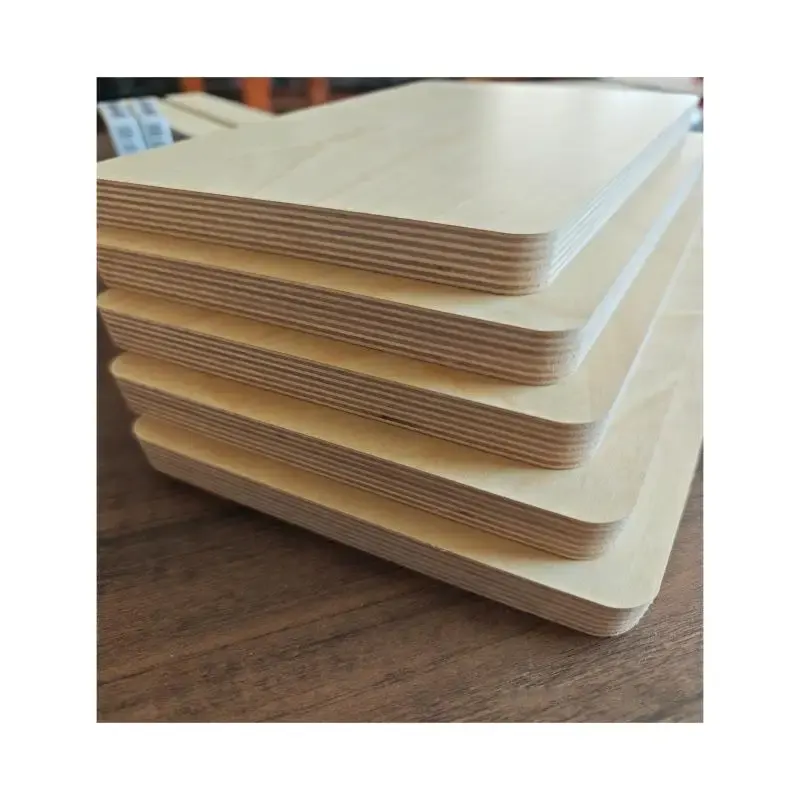
Commercial Plywood
2.3 Flexibility and Workability
Plywood is easy to cut, shape, and mold into different designs. Some types, like bending plywood, are specifically designed for curved surfaces in furniture and interiors.
2.4 Lightweight Yet Strong
Compared to solid wood, plywood is lighter yet retains high strength, making it convenient for furniture, wall panels, and temporary structures.
2.5 Cost-Effectiveness
Plywood is more affordable than solid wood while offering similar strength and aesthetic appeal, making it a budget-friendly option for homeowners and businesses.
3. Common Uses of Plywood
3.1 Construction Industry
Plywood is a crucial material in construction due to its strength and versatility. Common applications include:
- Roofing and Flooring: Provides a strong base for residential and commercial buildings.
- Wall Sheathing: Enhances the structural integrity of walls.
- Concrete Formwork: Used to create temporary molds for concrete structures.
3.2 Furniture and Interior Design
- Cabinetry and Shelves: Strong and lightweight, making it ideal for modular furniture.
- Wall Panels and Ceilings: Adds aesthetic value to interiors.
- Doors and Partitions: Used in office spaces and residential interiors.

3.3 Marine and Outdoor Applications
- Boat Building: Marine plywood is resistant to water and rot, ideal for shipbuilding.
- Outdoor Decks and Sheds: Withstands moisture and changing weather conditions.
3.4 Industrial and Packaging Use
- Transport Industry: Used in truck flooring and vehicle interiors.
- Crates and Packaging: Lightweight and strong, ideal for shipping containers.
Conclusion
Plywood is a versatile and reliable material widely used across industries due to its strength, durability, and cost-effectiveness. Its cross-laminated structure makes it resistant to warping, while various types cater to specific applications, from furniture to marine construction.
Whether for home improvement, commercial projects, or industrial use, plywood remains an indispensable material, offering an excellent balance of affordability, functionality, and design flexibility.
Recent Comments