
Introduction to Particle Board
Definition and Composition
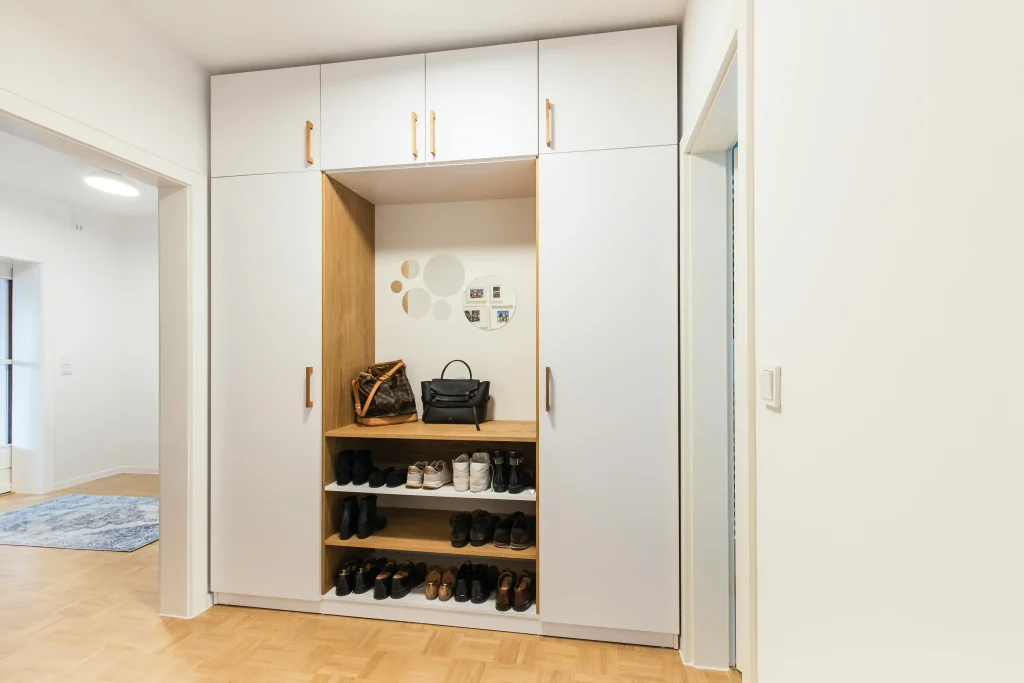
Particle board is an engineered wood product made from wood chips, sawdust, and resin, compressed together under heat and pressure. It is widely used as an affordable alternative to solid wood and plywood, offering cost-effective solutions in furniture, cabinetry, and interior construction.
Common Applications
- Furniture (tables, cabinets, wardrobes)
- Interior Decoration (wall panels, partitions)
- Construction (flooring underlayment, doors)
- Packaging (pallets, crates)
Importance of Quality Assessment in Particle Board
Why Quality Matters
The quality of particle board directly affects its performance, lifespan, and safety. Low-quality boards can warp, swell, or emit high levels of harmful chemicals, making them unsuitable for long-term use.
Impact on Durability and Performance
- High-quality boards offer better load-bearing capacity, smoother surfaces, and enhanced resistance to moisture.
- Poor-quality boards are prone to chipping, delaminating, and breaking under stress.
Key Factors for Judging the Quality of Particle Board
Density and Thickness
Higher density boards (600-800 kg/m³) are generally stronger and more durable. The thickness of the board should be uniform and appropriate for its intended use.
Strength and Load-Bearing Capacity
A good-quality board should withstand weight without sagging or breaking. Testing the bending strength is essential.
Surface Finish and Smoothness
- Even, smooth surfaces indicate a well-manufactured product.
- Rough, uneven surfaces suggest poor-quality raw materials or inadequate pressing.
Moisture Resistance
Good-quality boards have water-resistant coatings or treatments to prevent swelling in humid conditions.
Formaldehyde Emission Levels
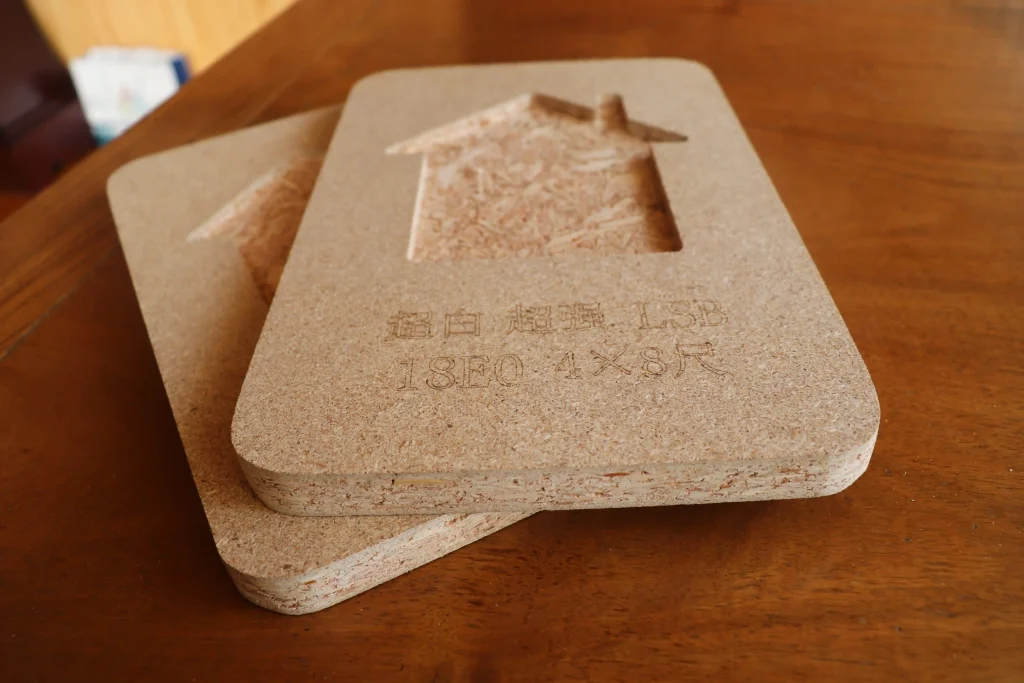
Low-emission boards (E0, E1) are safer for indoor use and comply with environmental standards.
Testing Methods for Particle Board Quality
Physical Testing Techniques
- Density Testing – Determines the compactness of particles.
- Moisture Content Analysis – Ensures it meets safety standards.
Mechanical Strength Testing
- Internal Bond Strength Test – Measures the adhesive strength.
- Screw-Holding Test – Evaluates the board’s ability to hold screws.
Environmental and Chemical Testing
- Formaldehyde Emission Test – Ensures compliance with health standards.
- Fire Resistance Test – Determines combustibility.
Comparison of Particle Board with Other Engineered Woods
| Feature | Particle Board | MDF (Medium Density Fiberboard) | Plywood |
| Strength | Moderate | High | Very High |
| Moisture Resistance | Low-Medium | Medium-High | High |
| Surface Finish | Smooth | Very Smooth | Textured |
| Screw Holding | Weak | Moderate | Strong |
| Cost | Low | Medium | High |
Common Defects and How to Identify Them
Swelling and Warping
- Caused by moisture absorption.
- Test by exposing a small piece to water.
Surface Cracks and Delamination
- Weak bonding leads to peeling layers.
- Press lightly to check adhesion.
Weak Core and Poor Bonding
- Press the board; if it feels hollow or uneven, it may lack structural integrity.
Best Practices for Selecting High-Quality Particle Board
- Check for uniform thickness – No warping or bending.
- Examine surface smoothness – Avoid rough patches or cracks.
- Look for moisture-resistant coatings – Essential for humid environments.
- Verify formaldehyde emissions – Choose low-VOC or eco-friendly options.
- Test screw-holding capacity – Should grip firmly without crumbling.
Care and Maintenance Tips
- Avoid water exposure – Use waterproof laminates.
- Use coasters and mats – Protect against heat and spills.
- Regular dusting and cleaning – Prevents scratches and buildup.
Conclusion and Final Thoughts
Judging the quality of particle board requires careful examination of density, strength, moisture resistance, and environmental safety. By following the outlined guidelines, you can choose durable, high-performance boards for furniture and construction. Always opt for certified, high-quality products to ensure longevity and safety.
Recent Comments