
What is Film Faced Plywood?
Film faced plywood is a type of high-quality plywood that is coated with a protective film. This special film is typically made from a durable material such as phenolic resin, which provides an added layer of protection against moisture, abrasion, and damage. The plywood underneath the film can be of varying grades, but the film coating significantly enhances its performance, making it highly sought after in industries where durability and resistance to environmental factors are crucial.
This versatile material is used in a wide range of applications, from construction to furniture manufacturing, offering strength and longevity that regular plywood cannot provide. The protective film on the surface also gives the plywood a sleek, finished look, which makes it perfect for exposed use in many commercial and residential projects.
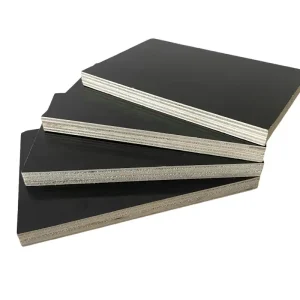
Types of Film Faced Plywood
Phenolic Film Faced Plywood
The most common and preferred type of film faced plywood is made with a phenolic resin film. This film is not only resistant to water but also offers enhanced durability, making it ideal for use in heavy-duty construction work. It is especially favored for its ability to resist chemicals, stains, and harsh environmental conditions.
Melamine Film Faced Plywood
Melamine film faced plywood is less common than phenolic resin plywood but still provides a solid protective layer for indoor applications. The melamine film is often used for interior furniture and decorative uses due to its smoother finish and aesthetic appeal. While not as waterproof as phenolic, it still offers sufficient protection for dry, indoor environments.
Key Features of Film Faced Plywood
Water Resistance
Film faced plywood is known for its remarkable water-resistant properties. The film coating prevents water from penetrating the wood, thus prolonging the life of the material, especially in high-moisture environments like bathrooms, kitchens, and even outdoors. This makes it an excellent choice for formwork and construction in areas where the plywood might come into direct contact with water.
Durability
Thanks to the strong film layer, film faced plywood is highly resistant to scratches, scuffs, and surface wear. The surface coating enhances its durability, enabling it to withstand the rough handling often experienced in construction and other demanding environments.
Strength and Load-Bearing Capacity
Film faced plywood maintains the inherent strength of the wood beneath it, offering impressive load-bearing capacity. It is often used for structural applications where high strength is necessary, such as in scaffolding, formwork for concrete, and flooring in industrial settings.
Applications of Film Faced Plywood
Construction and Building
Film faced plywood is primarily used in construction, particularly for shuttering and formwork in concrete pouring. The film layer not only protects the plywood from the harsh environment but also provides a smooth surface for the concrete, preventing it from sticking to the wood. This allows for easy removal after the concrete has set, making it a preferred choice for large-scale construction projects.
Furniture Manufacturing
In addition to its structural uses, film faced plywood is also used in furniture manufacturing. The smooth, durable finish makes it ideal for surfaces that need to withstand frequent use, such as tables, workstations, and storage units. The versatility in design options also makes it a go-to choice for contemporary furniture designs.
Flooring and Formwork
Another area where film faced plywood excels is flooring. Whether it is for a temporary flooring solution in construction sites or a durable base for permanent flooring installations, the durability and resistance to wear and tear make it a reliable choice.
Advantages of Using Film Faced Plywood
Cost-Effective
Despite its enhanced properties, film faced plywood remains a cost-effective option compared to alternative materials with similar durability and strength. The film layer offers significant longevity, reducing the need for replacements and repairs over time.
Environmentally Friendly Option
Many film faced plywood products are made from sustainably sourced timber and use eco-friendly films. This makes it a good choice for those looking to reduce their environmental footprint while still enjoying high-performance materials in construction and design.
Customizable and Versatile
Film faced plywood is available in a variety of finishes, thicknesses, and grades. This allows for customization according to specific project requirements, making it adaptable for a range of industries and uses.
Differences Between Film Faced and Other Plywood
Film Faced vs. Marine Plywood
While both film faced plywood and marine plywood are known for their water-resistant properties, marine plywood is specifically designed for continuous exposure to moisture, such as in boat construction or waterfront structures. In contrast, film faced plywood is more commonly used in temporary, light-duty applications and is less resistant to prolonged exposure to water compared to marine plywood.
Film Faced vs. MDF Plywood
Medium-density fiberboard (MDF) plywood is a smooth, dense material often used for indoor furniture and cabinetry. However, MDF is less durable and more susceptible to water damage compared to film faced plywood, which is why film faced plywood is the preferred option for outdoor or heavy-duty applications.
Selecting the Right Film Faced Plywood
Thickness and Size Considerations
When choosing film faced plywood, it’s important to select the appropriate thickness and size based on the application. Thicker sheets provide more strength and durability, which is crucial for heavy-duty construction. Size considerations depend on the scale of the project and the specific structural requirements.
Quality Indicators to Look for
To ensure the best performance, it’s essential to check the quality of the plywood, including the quality of the film layer, the plywood grade, and the adhesive used. Look for certifications or brands known for high standards to ensure the plywood will perform well in demanding environments.
Environmental Impact of Film Faced Plywood
Sustainability and Recycling
Many film faced plywood products are designed with sustainability in mind. As wood is a renewable resource, responsibly sourced plywood can contribute to sustainable building practices. Additionally, film faced plywood can often be recycled or repurposed, reducing its environmental footprint.
Responsible Sourcing of Materials
Choosing plywood made from responsibly sourced timber ensures that the environmental impact is minimized. Look for certifications such as FSC (Forest Stewardship Council) to guarantee the material was harvested sustainably.
Cost Factors
Pricing Ranges
Film faced plywood prices can vary based on the type of plywood, the thickness, and the quality of the film. On average, it may cost more than regular plywood but offers superior durability and longer-lasting performance. Prices are typically higher for phenolic film faced plywood compared to melamine-coated options.
Factors Influencing the Price of Film Faced Plywood
Several factors influence the price, including the thickness of the plywood, the quality of the materials used, and any additional treatments or certifications. Supply and demand, as well as the region of purchase, can also impact pricing.
Conclusion: Why Choose Film Faced Plywood?
Film faced plywood is an excellent material choice for construction, furniture, and other industries where durability, water resistance, and strength are key considerations. Its versatility, cost-effectiveness, and environmental benefits make it a popular choice across the globe. Whether you are building a structure or designing a custom piece of furniture, film faced plywood offers superior performance that can stand the test of time.
Recent Comments